You have already seen the Mara. Maybe twice. Now you want the parts of Kenya that do not show up on the first-timer itinerary. A short hike up a dormant volcano near Naivasha fits that mood well, and this mount longonot crater hike guide covers exactly how it fits. Mount Longonot rises about 2,776 meters above sea level, roughly an hour and a half from Nairobi on a good day. It works as a half-day slot bolted onto a Naivasha or Hell’s Gate leg, not a trip on its own.
This guide gives you the real time math, current fees, and the honest trade-off between a quick rim viewpoint and the full crater loop. Most guides written for backpackers skip that trade-off. We do not, because it is the question that actually decides your morning.
Mount Longonot Crater Hike Guide: The Basics
Mount Longonot is a dormant stratovolcano inside its own national park, about 90 km northwest of Nairobi off the Nairobi-Naivasha highway. Its last eruption is believed to date back several centuries. The crater floor sits roughly 300 meters below the rim, thick with forest, and buffalo, giraffe, and zebra move through it. The park covers just 52 square kilometers. That is small enough that KWS rangers know the trail well and can tell you, on the day, whether buffalo have been near the rim.
Getting There From Nairobi and Naivasha
From Nairobi, the drive to the Mount Longonot gate takes about 1.5 to 2 hours via the A104 and the Nairobi-Nakuru highway. Traffic through Limuru and the escarpment affects the exact time. From Naivasha town, it is closer to 20 minutes, about 15 km. If you are already staying near Lake Naivasha for a night on your safari, this is the version that matters most. The mountain sits right off your existing route.
Independent travelers reach the gate by matatu from Nairobi’s Railways station to Longonot town, then a short walk or boda boda to the park entrance. On a guided safari, your driver simply routes you there, which saves the fare math and the wait.
Entrance Fees and Opening Hours
The park gate opens at 7:00 am and closes for entry at 5:00 pm, with visitors expected off the mountain by 6:00 pm. KWS fees for 2026 run at indicative rates of about $25 for non-resident adults and $15 for non-resident children per day. Resident rates sit closer to KES 300 for adults. A vehicle fee of around KES 300 applies on top. These are indicative figures, since KWS adjusts published rates periodically, so confirm the exact number at the gate.
Independent hikers sometimes also pay a local guide fee, roughly KES 1,500 to 2,500 depending on group size, to a community or KWS-affiliated guide. Most gates now accept M-Pesa alongside cash. That is worth knowing if you have not sorted paying the park entrance fee with M-Pesa before you land.
How Hard Is the Hike
The climb from the gate to the crater rim is steep but short. It gains about 300 meters over roughly 1.5 km of loose volcanic scree and packed trail. It is not technical, no ropes or scrambling, but it will get your heart rate up fast in the equatorial sun. Once you reach the rim, the terrain flattens into a walking path along the crater edge. There are a few short ups and downs where the rim narrows.
Fitness level matters more than experience here. A reasonably active adult manages the climb to the rim in 45 minutes to an hour. Anyone unused to altitude or heat should plan for closer to 90 minutes and carry more water than feels necessary.
Rim Viewpoint vs the Full 7.2 km Loop
This is the decision that shapes your whole morning, and it is the one most guides gloss over. Here is how the two options compare against a typical half-day safari window.
| Option | Distance | Time (avg. group) | Difficulty | Fits into |
|---|---|---|---|---|
| Gate to first rim viewpoint | 3 km round trip | 1.5 to 2 hours | Moderate, steep start | A tight half-day before a flight or game drive |
| Full crater rim circuit | 7.2 km loop | 3.5 to 5 hours | Moderate to strenuous, exposed | A relaxed full morning or afternoon with no other plans |
| Rim loop plus crater floor descent | 9 to 10 km | 5 to 6 hours | Strenuous, requires a ranger escort | Dedicated hiking day, not a safari add-on |
Your safari day might also include an afternoon transfer, a Hell’s Gate cycle, or a flight out of Naivasha or Nairobi. If so, the rim viewpoint is the honest choice. You get the crater views, the volcanic rock underfoot, and the photo, without gambling your schedule. The full loop is a genuinely good hike, but it eats most of a day once you add the drive in and out.
Best Time to Hike
Early morning, between 7:00 and 9:00 am, is best. The air is cooler and the light is better for photos over the crater. You also beat the heat and the afternoon cloud that often builds over the Rift Valley by midday. The dry seasons, January to March and June to October, give the firmest footing. During the long rains in April and May, the scree gets slick and the climb takes longer.
Do You Need a Guide
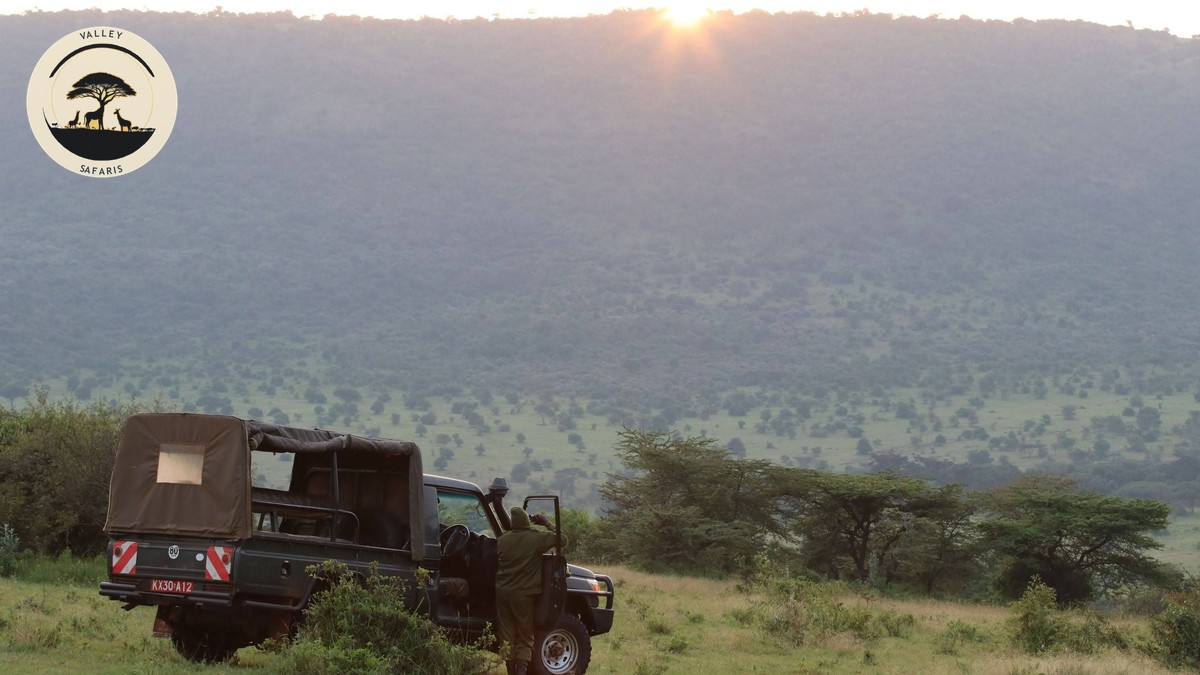
KWS does not require a guide for the standard rim walk, but we still recommend one, and not just for navigation. Guides know where buffalo have been grazing that week and can reroute you around them. On a Valley Safaris itinerary, your driver-guide arranges this as part of the day, so it is one less thing to plan.
Wildlife and Safety on the Trail
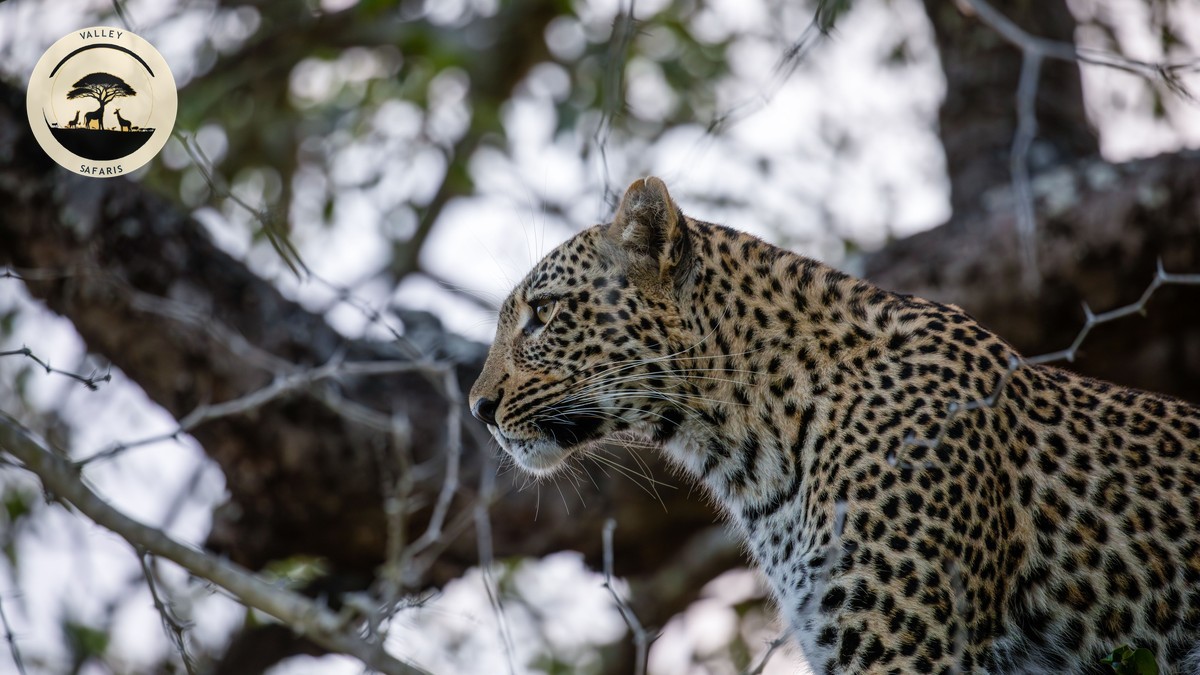
Buffalo are the real concern here, more than any big cat. They move through the crater floor and sometimes graze close to the rim trail. Mount Longonot has had genuine buffalo encounters on the rim path over the years. This is the kind of detail backpacker blogs tend to skip, but it matters. Stay on the marked trail, keep your voice down near thick brush, and follow your guide’s lead if they stop or change direction. For more on reading buffalo behavior and staying safe on foot, see our notes on buffalo safety on the crater rim.
Zebra, giraffe, and various antelope also live in the crater, along with over 130 recorded bird species. None of them present the same risk as buffalo, but keep a respectful distance from all of it.
What to Pack
Bring more water than you think you need, at least 1.5 liters per person for the rim walk, more for the full loop. Add a hat, sunscreen, sturdy closed shoes with grip, and a light jacket for the rim wind, which picks up even on hot days. A few snacks help too, since there is no food for sale past the gate.
Combining With Hell’s Gate
Longonot pairs naturally with a Hell’s Gate morning, since the two parks sit within about 25 minutes of each other near Naivasha. Many of our clients cycle or walk through Hell’s Gate’s gorge in the morning. They then climb Longonot’s rim in the early afternoon before heading back to Naivasha or on to Nairobi. If you are weighing which order works better for your schedule, our guide to pairing it with Hell’s Gate National Park breaks down the timing.
Is It Suitable for Children or Beginners
The rim viewpoint hike works for older children and beginner hikers who are reasonably fit, given the short distance and clear trail. The full loop is a bigger ask, more exposed and longer, and better suited to hikers who already walk or exercise regularly. Camping overnight inside the park is not permitted, so plan Longonot as a day visit either way.
The Valley Safaris Difference
We have driven this route enough times to know which mornings the buffalo tend to sit near the rim. We also know which weeks the scree is loosest after rain. When we slot Longonot into your itinerary, we build in the real time it takes, not the brochure number. That way you are not rushing a flight out of Naivasha or missing your afternoon game drive. Our guides carry the local knowledge that decides whether today is a viewpoint day or a full-loop day. They will tell you honestly which one your schedule allows.
Plan Your Longonot Half-Day
If you would like Mount Longonot built into a Naivasha or Rift Valley safari itinerary, with the timing worked out around your flights and game drives, get in touch through our contact page. We will help you plan it.